Meta Introduces Its First Audio-Only Ray-Ban Glasses
The 43-gram, audio-focused glasses start at $349 and ship October 13, while the separate Gen 3 model keeps a camera.
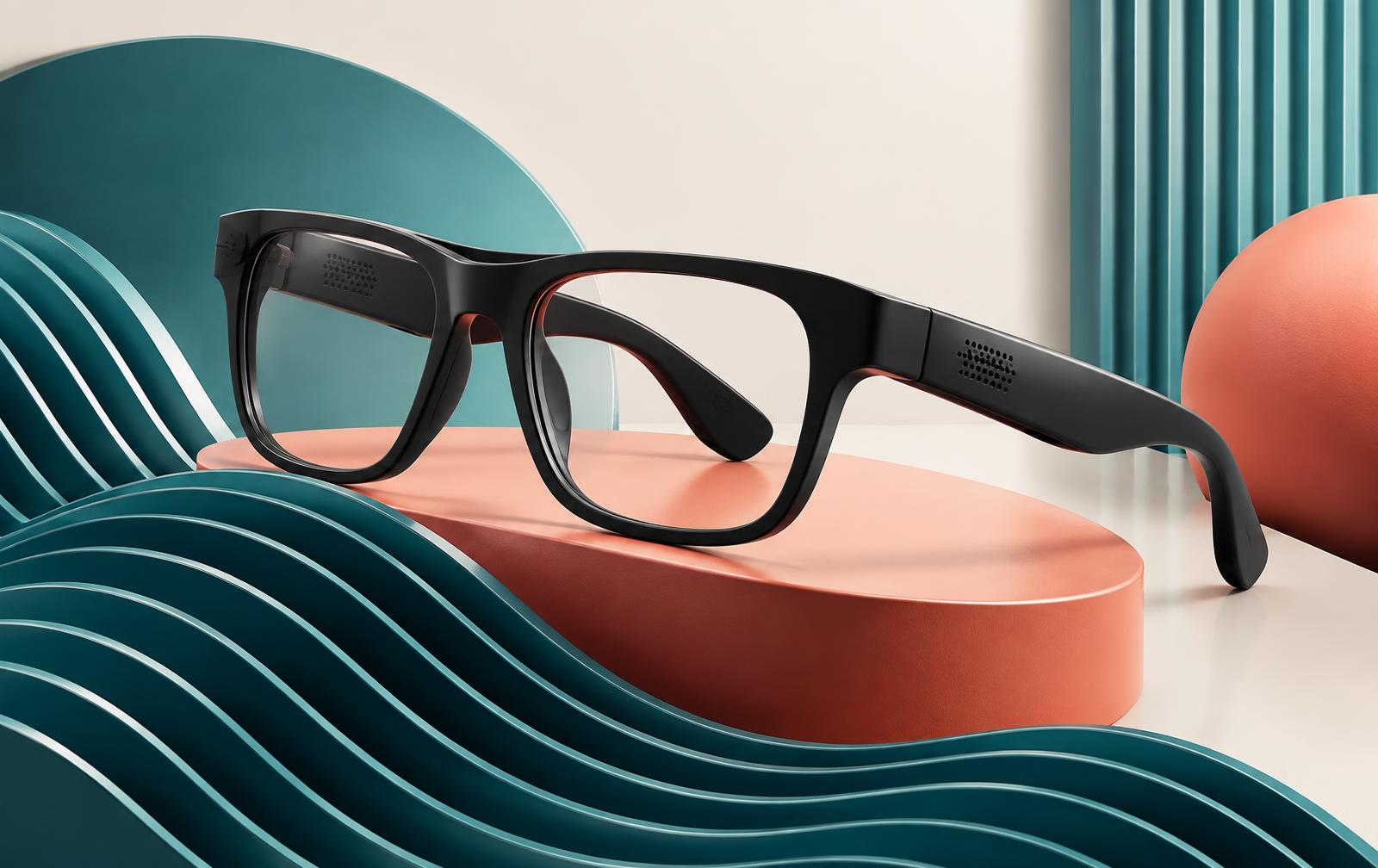
Meta has introduced Ray-Ban Meta Audio, a new pair of AI glasses built around listening, calls and voice assistance rather than photography. The company describes them as its first audio glasses — a distinct, lighter option alongside its camera-equipped Ray-Ban Meta line.
At 43 grams, the Audio model is the lightest and slimmest AI-glasses design in Meta’s range. Meta says it can run for up to 12 hours on one charge, with the included case adding as much as 48 hours. The glasses are offered in Clubmaster and Burbank shapes across 23 color-and-lens combinations, including prescription-compatible options.
Preorders opened September 23 from $349 in the United States, with shipping scheduled for October 13. Those dates and prices apply to Ray-Ban Meta Audio — not to the newly announced Ray-Ban Meta Gen 3.
Two different approaches to smart eyewear
The distinction matters. Ray-Ban Meta Audio is presented as an audio-focused, camera-free choice for music, podcasts, calls and hands-free conversations with Meta’s assistant. Ray-Ban Meta Gen 3, available from $449, is a separate model with a 12-megapixel camera and 3K video recording. Meta says Gen 3 is available now.
The company also announced plans to bring Muse, its personal AI agent, to AI glasses. Meta frames Muse as a future way to help wearers manage tasks, habits and longer-term goals without reaching for a phone; the announcement is a statement of direction, not a claim that every described capability ships with the Audio glasses on day one.
For consumers, the most meaningful choice may be less about specifications than boundaries. Some people want a wearable camera. Others may prefer open-ear sound and voice features without one. By separating those paths, Meta is testing whether simpler smart glasses can appeal to people who like the convenience of connected eyewear but not every sensor that can come with it.
- Meta
- Ray-Ban
- AI glasses
- wearables
- consumer technology
The Beaux Edit
Keep the good stories close
Sign up to join The Beaux Edit list. We'll only write when there's something worth sharing.